

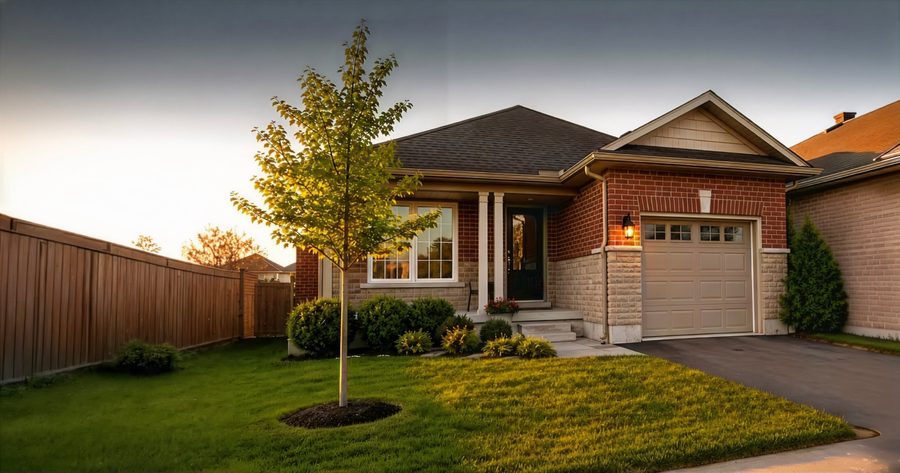
How buying works in Ontario
Buying a home, start to keys.
Every step, in order, from our first 20-minute chat to the day you get your keys. Every rule RECO and FINTRAC set, explained in plain English, plus the planning approach that keeps you from compromising.
- 10clear steps, in order
- 5 + 3needs and wants that matter
- Everyrule explained
Two things Ontario law asks of us first.
Real estate agents in Ontario are regulated by RECO, the Real Estate Council of Ontario, under the Trust in Real Estate Services Act, 2002 (TRESA). These two steps come before anything else. They protect you.
1. The RECO Information Guide
Before we provide any services, we have to give you RECO's Information Guide and go over it with you. It explains how working with an agent works, the risks of representing yourself, what a representation agreement is, multiple representation, and how competing offers are handled. We'll ask you to confirm you received it.
2. Client, or self-represented?
You can be our client, with a written representation agreement. That means we advise you, advocate for you and keep your information confidential. Or you can be a self-represented party. In that case we can't advise you or advocate for you, and we'd give you RECO's "Information and Disclosure to Self-represented Party" form explaining the risks. Most people want an advocate. Either way, you'll know where you stand.
Ten steps. No guesswork.
Here's exactly how we buy a home with you, and what Ontario's rules require at each stage.

About 20 minutes · No obligation
The fit call
A short conversation to see whether we're right for each other. We'll ask what's prompting the move, what frustrates you about where you live now, your timing, and the money side. That means whether you have a home to sell first, or whether this is your first purchase.
We'll cover
- Why you're moving, and why now
- What's not working where you live now
- Selling first, renting, or buying your first home
- Your rough budget and timing
You'll get
- RECO's Information Guide, explained
- A clear picture of how buying works
- Honest advice about timing
- Our next steps

The conversation most agents skip
Your life plan: the stepping-stone approach
Before we talk about houses, we talk about the next 5 to 10 years. How many bedrooms do you need now, and later? Could a parent or an adult child move in someday? Are schools, sports or a shorter commute part of the picture? If accessibility, health or care needs matter to your move, you're welcome to tell us and we'll plan around them. It's always your choice what you share.
Sometimes the smartest move isn't the forever home. It's a stepping stone that gets you there without compromising now.
- 1NowThe right home for this chapter, without stretching past your comfort zone.
- 2BuildPay down the mortgage and live your life while the next chapter takes shape.
- 3Step upWhen the timing is right, use the equity you've built to make your next move.
- ★The goalThe home you really wanted, without settling for a compromise.
Home values can go down as well as up. A plan isn't a promise. It's a way to make every decision with the next one in mind.
Straight talk: A stretch purchase you can't enjoy isn't a win. A home that fits your life and your budget, and sets up your next move, usually is.
- 1
Focus beats scrolling
Needs, wants and areas
We start with 10 possible needs and 10 possible wants, and you pick your top 5 needs and top 3 wants. It's simple, and it changes everything. You'll see fewer homes, make clearer decisions, and you won't regret giving something up. Then we match those to the Durham Region towns and neighbourhoods that fit.
Before the first showing
Get pre-approved
We ask every buyer to get pre-approved before we book showings. It tells you what you can comfortably afford. It protects you from falling for a home you can't finance. And it makes your offer stronger. We can introduce you to a mortgage broker we trust, or you can use your own bank or broker. That's completely up to you.
Lenders usually ask for
- Photo ID
- Proof of income, like pay stubs, a letter of employment or tax documents
- Proof of your down payment and where it came from
- Details of your debts
Ask your lender about
- Your maximum and your comfortable payment, which aren't the same thing
- How long the rate hold lasts
- First-time buyer programs such as the FHSA or the RRSP Home Buyers' Plan
- Mortgage default insurance if your down payment is under 20%
Paperwork · In writing
Your buyer agreement, and your ID
To represent you, we put it in writing. Your buyer representation agreement names your designated agent or agents. It also sets out what kinds of homes and areas it covers, how long it lasts, the services we'll provide and how our brokerage is paid. We read it together before you sign. You'll also show us your ID, as federal FINTRAC rules require.
Read these closely
- The start and end dates
- The area and type of property it covers
- What our brokerage is paid, and who pays it
- How multiple representation would be handled
Bring with you
- Valid government photo ID for every buyer
- Your pre-approval details
- Your needs-and-wants list
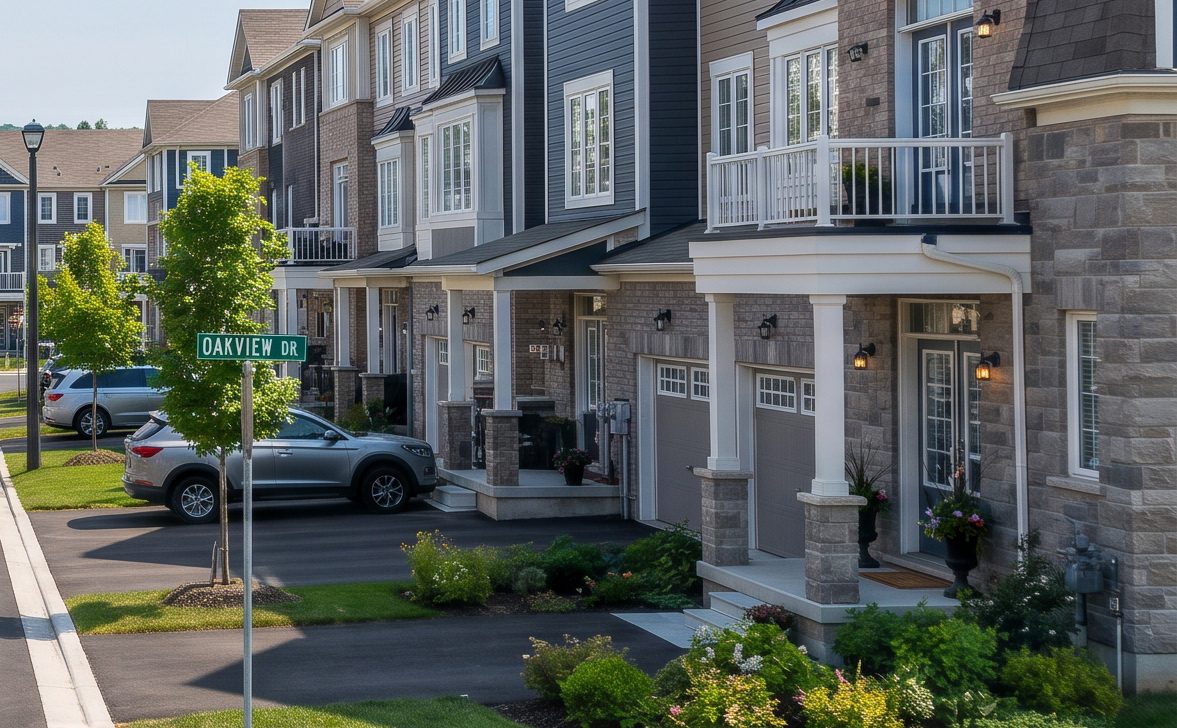
The fun part
Search and showings
We set up listing alerts that match your needs, then book showings and walk through each home with you. We'll point out what we notice: wear, red flags, and anything about the street or the neighbourhood that you'll want to know. After each showing, we'll compare the home against your needs and wants list.
Straight talk: Look at the things you can't change: the lot, the location, the layout and the light. Paint and floors are easy. Location is forever.
Look before you leap
Due diligence
Before you commit, we gather what we can. That includes the listing details, the property's history, rental equipment, zoning questions, and for condos, the status certificate. Then we plan the protections your offer needs. Rural homes, which are common in Brock, Scugog and Uxbridge, can also have wells and septic systems that need their own checks.
Common checks
- A home inspection
- Condo status certificate (up to $100, within 10 days)
- Well water and septic, if rural
- Rental items like a water heater or furnace
- A home insurance quote
Ask us about
- The permit history for renovations
- Property tax amounts
- Anything you notice that doesn't feel right
Strategy time
Writing your offer
We write your offer together: the price, the deposit, the conditions you need, the closing date and what's included. Before you sign, we'll explain every clause. When there's competition, we'll talk strategy openly, including what you'd be giving up by removing a condition.
Your offer includes
- Price and deposit amount
- Conditions and their deadlines
- Closing date
- What's included, like appliances or light fixtures
- How long the offer is open
When there's competition
- You'll be told how many written offers there are
- Other buyers' terms stay private unless the seller decides otherwise
- You decide your own limit, and we'll help you stick to it
Straight talk: Waiving your inspection or financing condition to win is a real risk. Pre-qualifying isn't the same as an approval for this specific home. We'll help you weigh it, and the final call is always yours.
Conditional to firm
Deposit, conditions and going firm
Once your offer is accepted, you deliver your deposit. That's usually within 24 hours, and it's held in trust. Then you work through your conditions: inspection, financing, the lawyer's review, the status certificate. Each must be fulfilled or waived in writing by its deadline. When they're all cleared, the deal is firm.

Keys!
Your lawyer and closing day
Your real estate lawyer searches the title, arranges title insurance, finalizes your mortgage, prepares the statement of adjustments, pays the land transfer tax and registers the transfer. You'll need home insurance in place and your closing funds with your lawyer before closing day. Then the keys are yours. Usually that happens on closing day afternoon, once the funds arrive.
Budget for closing costs
- Ontario land transfer tax
- Legal fees and title insurance
- Adjustments, like prepaid property tax
- Home inspection and appraisal (if required)
- Sales tax on mortgage default insurance, if it applies
First-time buyer?
- Ontario land transfer tax refund up to $4,000
- Your lawyer applies it on closing
- You can't have owned a home anywhere in the world
Five needs. Three wants. Total clarity.
This is the exercise we do with every buyer. Pick your top 5 needs, the things you won't compromise on. Then pick your top 3 wants, the nice-to-haves. Add your own if they're not here. Your picks are saved only on this device.
Needs
0 of 5Wants
0 of 3Designated representation, in plain English.
Right At Home Realty uses designated representation. When you sign with us, the agent or agents named in your agreement are the ones who represent you. They owe you loyalty, confidentiality and their best advice. Other agents at the brokerage don't represent you and can't see your confidential information.
So if a seller working with a different Right At Home agent wants your dream home, that is not multiple representation. Each of you has your own advocate.
Multiple representation only happens if the same designated agent would represent both the buyer and the seller, or two buyers competing for the same home. Ontario law says that can't happen unless you get a written disclosure first and you consent in writing. You can say no. If you do, we'll explain your options before anything moves forward.
Two agents at the same brokerage, each representing their own client. Each one fights for their own client.
One agent for both sides. They can't push either side's interests the same way, which is why the law requires your informed, written consent first.
What you'll be told on offer night.
If you make a written offer and others do too, you're entitled to know how many written offers there are. Verbal "interest" doesn't count. The seller decides whether anything else, like prices or conditions, is shared, and they can change their mind at any time.
After it's over, if you made an offer, you can ask RECO to confirm how many offers there really were.
The usual approach. Buyers know they're competing, and with how many, but not against what.
Only with the seller's written direction. The seller can choose exactly what's shared, such as terms but not price, and with whom.
Why we ask for your ID, and what happens to it.
FINTRAC is the Financial Transactions and Reports Analysis Centre of Canada, the federal agency that fights money laundering and terrorist financing. Under the Proceeds of Crime (Money Laundering) and Terrorist Financing Act, every real estate brokerage and agent in Canada is a "reporting entity." That means when you buy through us, federal law requires us to do the following. It's the same for every client, every time. It isn't about you.
What we'll ask you for
- Original, valid, government-issued photo ID, such as a driver's licence or passport. We record the type of ID, its number, the issuing province or country, and the expiry date. FINTRAC also allows other approved methods, such as a credit file check or two documents from different reliable sources, if photo ID won't work for you.
- Your name, address, date of birth and occupation (or the nature of your business).
- Whether you're acting on behalf of someone else (a "third party").
- For a corporation or trust: details of who owns and controls it.
- In some situations, standard screening questions, such as whether you're a politically exposed person or connected to one.
Verify identity
We must verify the identity of each client in a purchase or sale, and take reasonable steps to verify the other party if they don't have an agent.
Record funds
We keep a "receipt of funds" record for money we receive in the deal, such as a deposit: who paid it, how much, how and when.
Report when required
Cash of $10,000 or more must be reported to FINTRAC. So must any transaction that raises reasonable grounds for suspicion. There is no dollar minimum for that.
Records are kept securely for at least five years, as the law requires.
Get your ID check done in 3 easy steps
- Check your ID. Make sure it's an original, government-issued photo ID that hasn't expired, and that the name matches the name you'll sign with. Everyone who will be on title, or on the listing, needs their own.
- Book your ID check. Tap the button below and tell us it's for an ID check, or simply bring your ID to the meeting where you sign your agreement.
- Show us the original, in person. We look at the card itself and record the type, number, issuing province or country and expiry date, plus your name, address, date of birth and occupation. That's it. You're done.
Accepted
- Ontario driver's licence
- Canadian passport
- Ontario Photo Card
- Permanent resident card
- Passport from another country
Not accepted
- Expired ID of any kind
- Photocopies, scans or photos of ID
- Ontario health card (Ontario law limits its use as ID)
Can't meet in person? Tell us. FINTRAC allows other methods, such as the credit file method or two documents from different reliable sources, and we'll walk you through exactly what to send and how. Buying or selling through a corporation, a trust or a power of attorney? Let us know early. We'll also need the documents that show who owns or controls it, or who you're acting for.
Never email or text a photo of your ID to anyone, including us. Email and texts aren't secure, and a photo can't be used for this check anyway.
Straight talk: Have your photo ID ready the day you sign. If your licence has expired, renew it or bring your passport. An expired ID can't be used, and it's the most common thing that holds up paperwork.
No surprises about fees.
We don't publish a rate, because every home and every plan is different. Here's how it works instead. We'll go through the numbers openly at our first meeting.
It's in writing
Your buyer representation agreement sets out what our brokerage is paid. Nothing is owed that isn't in that agreement.
The seller often pays it
Many listings offer to pay the buyer's brokerage, and that's often paid from the seller's proceeds at closing. Your agreement says what happens if the amount offered is different from what your agreement says.
It's negotiable
No law sets a standard commission in Ontario. We'll explain how it works for each home you're thinking about, before you make an offer.
Before you sign anything, ask us: "If the seller offers less than my agreement, who pays the difference?" You'll get a straight answer, in writing.
The jargon, decoded.
RECO
The Real Estate Council of Ontario. It registers and regulates real estate agents and brokerages under TRESA, and handles complaints.
TRESA
The Trust in Real Estate Services Act, 2002. The Ontario law that governs agents and brokerages. Its newest rules took effect December 1, 2023.
Buyer representation agreement
Your written contract with the brokerage. It covers what kinds of homes and areas, how long it lasts, services, how the brokerage is paid, and how multiple representation is handled.
Self-represented party
Someone dealing with an agent who isn't representing them. The agent can't advise or advocate for them, and must give them RECO's disclosure form.
Designated representation
Only the agent or agents named in your agreement represent you, not the whole brokerage. Right At Home Realty uses this model.
Multiple representation
When the same agent represents more than one client in the same deal, such as you and the seller, or you and another buyer. It requires written disclosure and written consent first.
Pre-approval
A lender's conditional review of how much you can borrow and at what rate. It isn't a final approval of a specific home.
Material fact
Something that could affect a reasonable buyer's decision, or the price they'd pay.
Status certificate
A condo corporation's package on the unit and building: fees, the reserve fund, legal issues and more. Up to $100 including taxes, delivered within 10 days of the request.
Conditions and waivers
Protections in your offer, such as financing or inspection, each with a deadline. You fulfill or waive each one in writing to make the deal firm.
Deposit in trust
Your deposit, usually delivered within 24 hours of acceptance and held in a brokerage trust account until closing. It goes toward the price.
Adjustments
Your lawyer's reckoning of who pays what for the closing date, such as property tax or condo fees the seller has prepaid.
Land transfer tax
Ontario tax paid by the buyer on closing. First-time buyers may get a refund of up to $4,000.
FINTRAC
Canada's financial intelligence agency. Real estate brokerages must verify client identity, keep records, and report certain transactions to it.
Straight answers.
Do I have to sign a buyer agreement?
To be our client, yes. Ontario requires the representation agreement to be in writing, and you get a copy. Without one, you'd be a self-represented party, and we couldn't advise you or negotiate for you.
Do I pay my agent?
Your agreement says what our brokerage is paid. Often the seller's side offers to pay the buyer's brokerage, but your agreement also says what happens if that offer is different. We'll explain it for each home before you make an offer.
Do I really need a pre-approval before we look?
Yes. It tells you what you can comfortably afford before you fall in love with a home. It also makes your offer stronger. A pre-approval isn't a final approval, though. The lender still has to approve the specific home.
Do I have to use your mortgage broker?
No. You can use any lender or broker you like. If we refer you to one and we'd receive any financial benefit, we must tell you in writing first.
Can I back out after my offer is accepted?
A resale home in Ontario has no cooling-off period. You're protected by the conditions in your offer, until they're waived or fulfilled. New condos have a 10-day cooling-off period. For new builds, ask your lawyer what applies.
Can I find out how many other offers there were?
If you made a written offer, you're told how many written offers were made. You can also ask RECO to confirm the number afterward.
Am I a first-time buyer for the land transfer tax refund?
Ontario's refund is up to $4,000. In general, you must be at least 18, a Canadian citizen or permanent resident, have never owned a home anywhere in the world, and move in within nine months. Your lawyer applies it at closing. Check the details on ontario.ca.
Official links
Everything on this page comes from these sources. Read them yourself any time.
- RECO Information GuideThe guide we'll go over with you
- RECO: Information for buyersRECO's buyer pages
- RECO: Competing offersHow competing offers work
- RECO: Ask how many offers there wereConfirm the number of offers
- RECO Bulletin 2.2: RepresentationBrokerage vs designated representation
- RECO Bulletin 3.2: Multiple representationDisclosure and consent
- All RECO bulletinsEvery RECO bulletin
- RECO: TRESA FAQsCommon questions about TRESA
- Condo Authority of Ontario: Status certificatesCost, timing and what's inside
- Ontario: First-time buyer land transfer tax refundEligibility and how to apply
- Trust in Real Estate Services Act, 2002The law itself, on ontario.ca
- FINTRAC: Real estate sectorFederal anti-money-laundering rules
- FINTRAC: Obligations and guidanceIdentity and record-keeping guidance
Let's find your next stepping stone.
Start with a 20-minute chat about your plan. No pressure, and no obligation.
This page explains, in general terms, rules under Ontario's Trust in Real Estate Services Act, 2002 and its regulations, guidance published by the Real Estate Council of Ontario (RECO), and federal FINTRAC requirements, as we understand them in November 2026. It is not produced or endorsed by RECO or FINTRAC, and it is not legal, tax or mortgage advice. Rules change, and every situation is different, so please confirm the details for your situation with your lawyer. The team process described here is how the Cheryl Devenney Real Estate Team works. Cheryl Devenney Real Estate Team, Right At Home Realty, Brokerage.